

Cava: the spark notes
It’s not often that one hears about the positive outcomes of phylloxera, the bug that hitched a ride over from the USA in the late 1800s and proceeded to destroy around 2/3 of Europe’s vineyards – and with a rap sheet like that, it’s hardly surprising. And yet without it, the face of Spain’s sparkling wine scene could have looked quite different.
Phylloxera’s arrival in Spain coincided with the first traditional method sparkling bottles produced in San Sadurní d’Anoia by Josep Raventós. On the face of it, very bad timing, but in actuality, the havoc wreaked by everyone’s least favourite insect led to an overhaul in thinking in Penedès. While the area had historically planted red grape varieties, the devastating plague afforded them an opportunity: to branch out into white indigenous varietals, grafted onto American rootstock that had developed defences against phylloxera. These plantings, combined with the region’s recent introduction to Champagne-style methods of sparkling wine production, led to the birth of Cava.
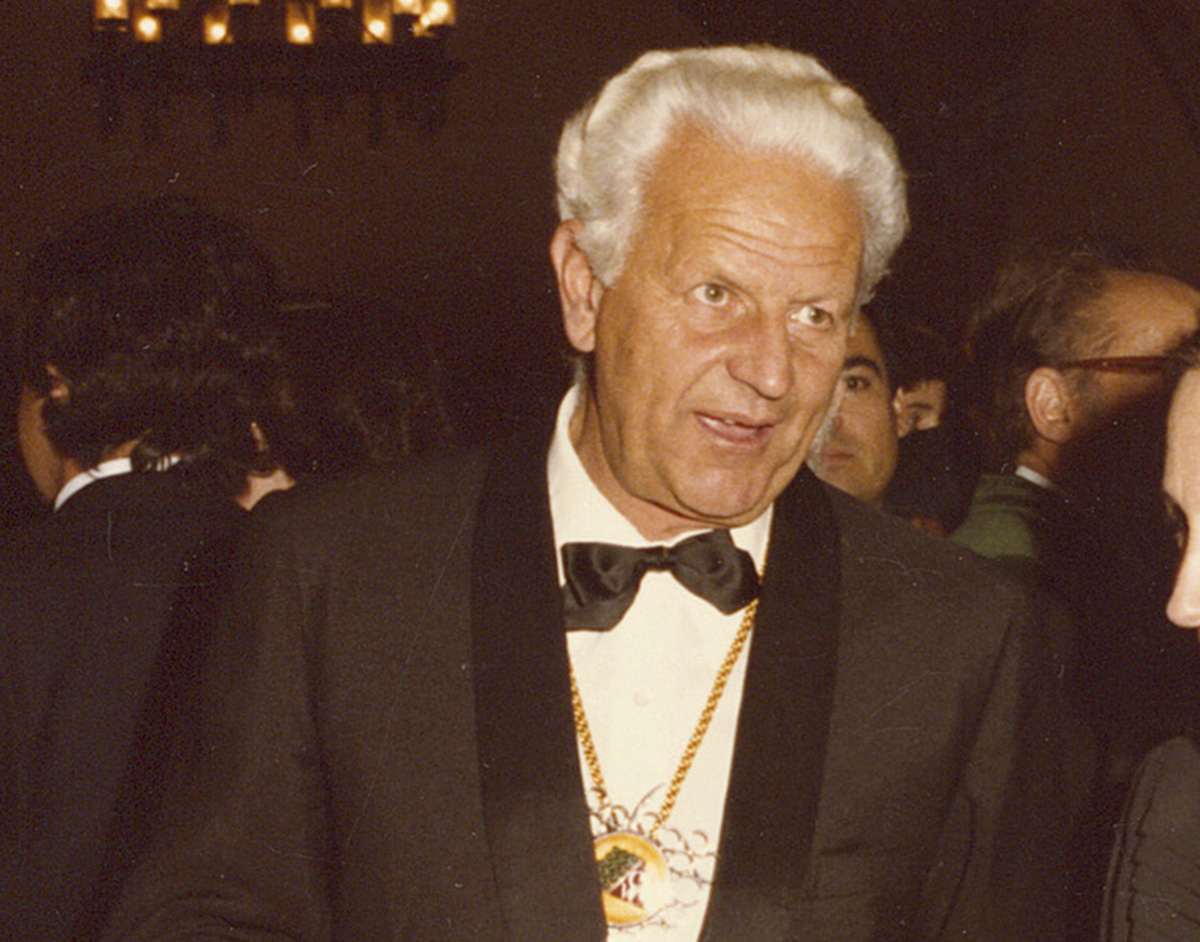
Josep Raventós, the father of Cava.
The Fava, if you will.
Photo credit: raventos.com
Cava – meaning underground cellar (or, well, cave) – was the catch-all moniker for all Spanish sparkling wine from 1959 until 1986, when the powers that be decreed it could only be used to describe bottles made using the traditional, or Champagne, method, that were produced in the geographical region that made up the Cava appellation. The new rules were a response to growing international demand for sparkling wine, and though on the surface the stricter regulations were designed to increase quality, the introduction of a new, Italian foe, would turn the Spanish sparkling wine scene on its head.
The advent of Prosecco as a more wallet-friendly alternative to Champagne had Cava producers scrambling to compete. As demand for Cava declined, winemakers sought to produce cheaper and cheaper bottles – at the obvious expense of quality. The market was flooded with high-volume, low-priced Cava, and the name lost the reputation it had worked so hard to gain. As a result, a group of winemakers removed their products from the Cava D.O. and instead joined the Penedès D.O., with its higher prestige and attendant strict requirements.
To conform to the rules of the Penedès D.O., grapes must be 100% organic – the first sparkling wine appellation in the world that demanded this – the wines must be 100% Reserva, i.e. must have spent a minimum of 15 months on the lees, and grapes must come entirely from the Penedès region, unlike Cava, which could hail from a whopping eight different areas of Spain – raising further questions around regulation and quality control.
Among these rebellious producers were Colet Viticultors.

Colet: a new way of thinking
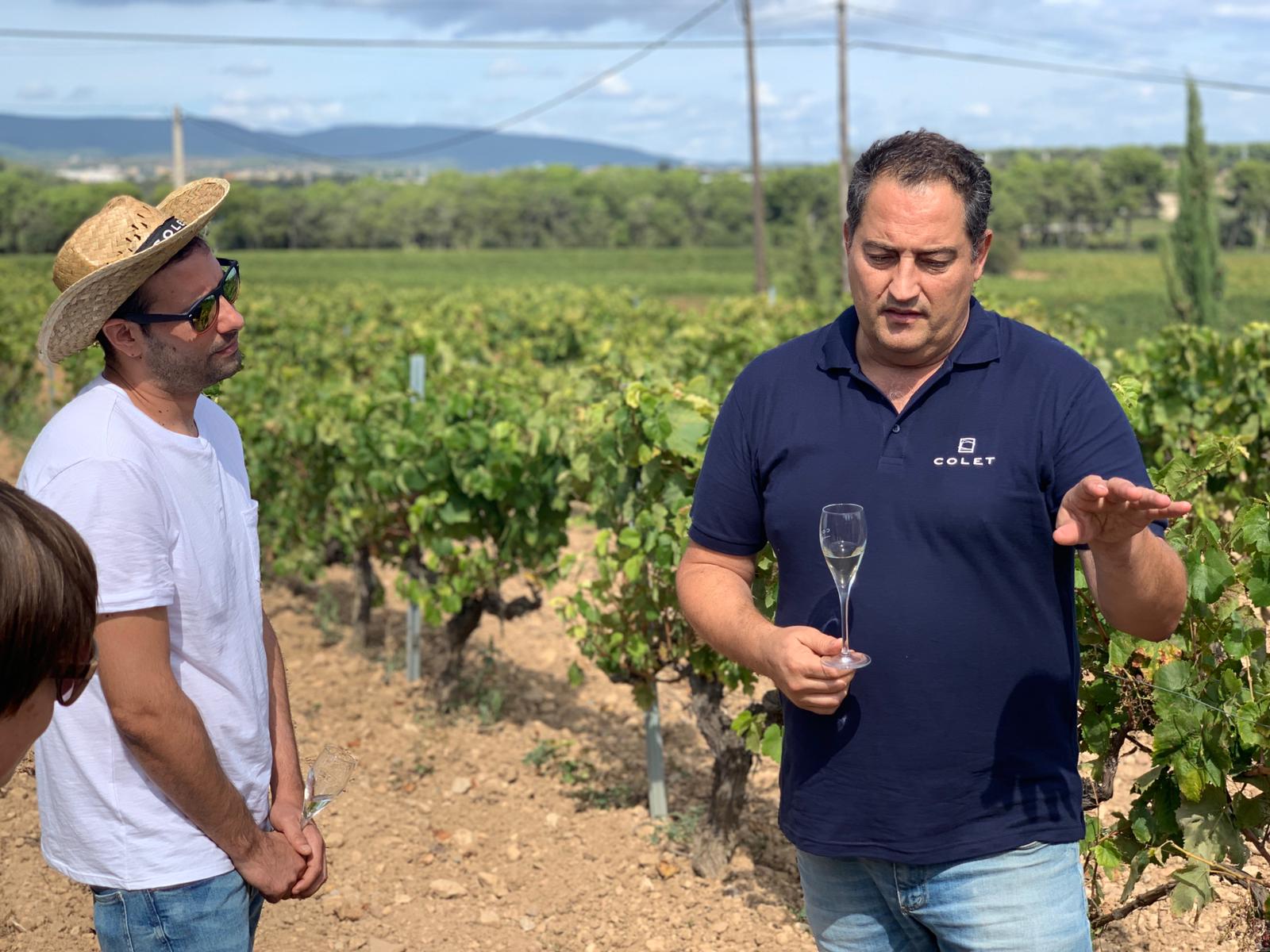
Colet have been farming their vineyards since 1783, spending the first 200 years as custodians of the land and livestock before becoming the owners in 1984. Nothing like having two centuries of work experience before taking the top job! Not content with the strict Penedès D.O. rules, Colet wines also carry the VINYERÓ stamp, an indicator that all their grapes are estate-grown, not bought in from other vineyards – and though the D.O. rules mandate 15 months of lees ageing, Colet often age their cuvées for even longer. The entire winemaking process from vine to bottle takes place in their cellar – they believe the only way to make good, ethical wine is to oversee the process from start to finish.
Sergi Colet studied oenology at the University of Tarragona before rounding out his knowledge with a stint in Reims, to perfect his skills in traditional Champagne-method winemaking. Colet are humble to the core – they claim no specialist skills in the cellar, only that the land they tend to is the source of their wines’ magic. They see their intervention in the process as purely one of protection, guarding their precious fruit from any influence that could mask or distort its character. Colet’s vines span the villages of Sant Martí Sarroca and Pacs del Penedès in the Alt Penedès, where calcareous soils reign supreme, and the majority of their vines are over 40 years old, planted in north-east facing plots – exposition being of the utmost importance to retain freshness and acidity in this balmy climate.
Though in some ways the Penedès D.O. is more restrictive than its Cava counterpart, in others it’s more flexible – for example, when decreeing the grape varieties permissible within the appellation. Colet have made the most of this opportunity – their Vatua! (or Surprise!) is a blend of Muscat and Gewürztraminer, a masterclass in restrained florals and elegance. The Gewürztraminer plantings are testament to the vision and open-mindedness of Sergi’s father, who gathered extensive knowledge of varied winemaking regions throughout his travels over the years, and spied the potential in more unusual varieties to flourish in Penedès.
Another ‘surprise’ is the Vatua rosé, a product of that most fertile font of creativity: the long, boozy lunch. Sergi’s friend and fellow Catalonian winemaker Fredi Torres decided to mix a little of his Priorat Garnacha into a bottle of white Vatua, and the results were so delightful that Colet have turned it into one of their best-selling cuvées. A blend of Muscat, Parellada and Gewürztraminer with a Garnacha dosage, it’s spicy, rounded and rich, the perfect accompaniment to food.
Though often experimental, on occasion Colet like to nod to convention, and the Tradicional Brut Nature is a wine that speaks to this. Comprising a more classic Cava blend of Xarel-lo and Macabeu, it’s a lesson in finesse and elegance – a hint, perhaps, at what the Cava of old used to be.